DeLeon Framework – Scalable Character Systems in Unity
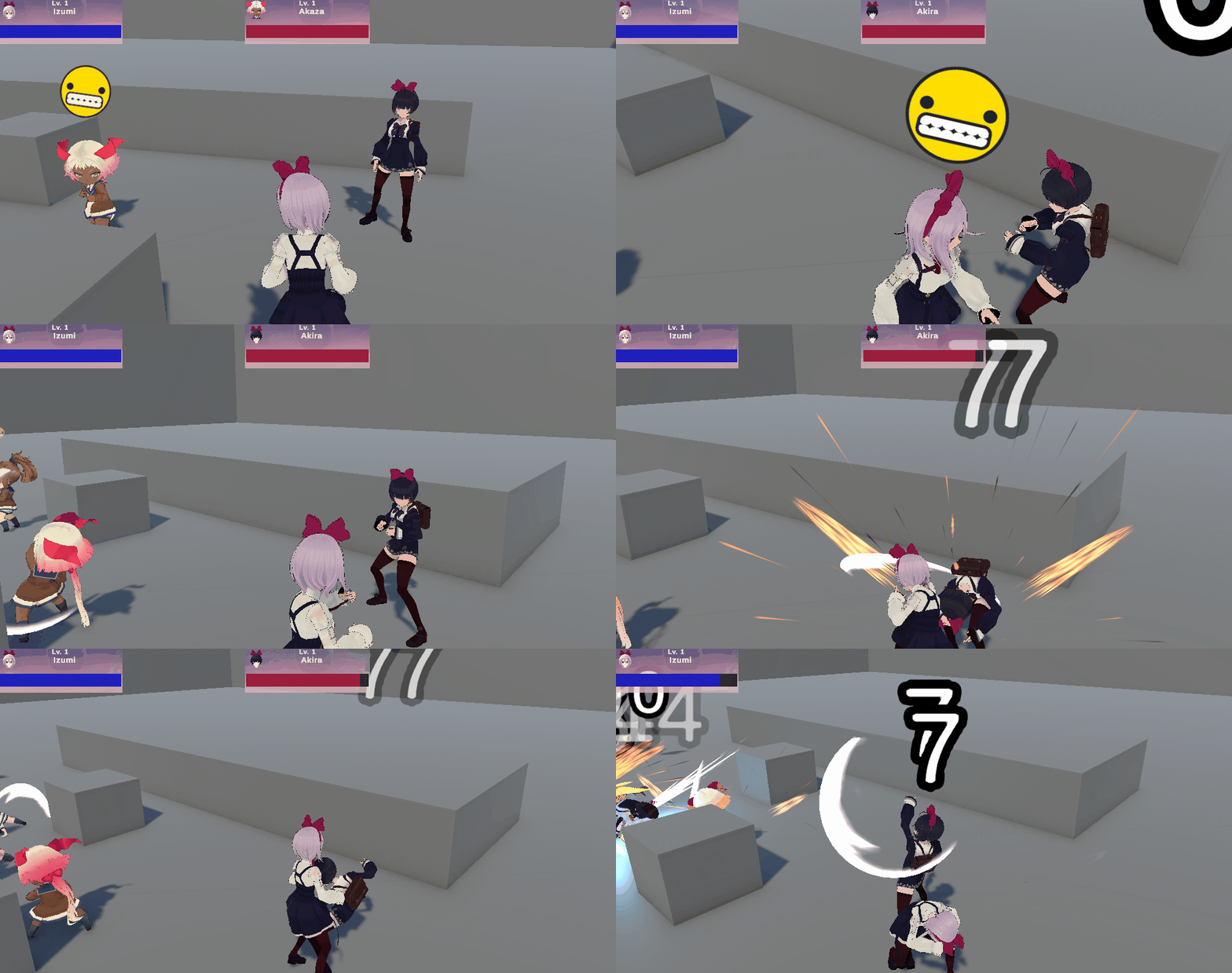
I build scalable gameplay systems in Unity focused on performance, stability, and clean architecture.
This project demonstrates deterministic state management, reliable character initialization, and zero-allocation runtime systems.
Latest Update – Combat System
September 2026
The De Leon Framework is an ongoing personal game development project. The latest development focuses on the combat system, including combo execution, attack transitions, and character interactions.
Tech Stack
- Unity 6.3 (URP)
- C#
- Animancer Pro
- Pixel Crusher’s Dialogue System & Quest Machine
- Custom FSM / Pooling Systems
System Showcase
FSM Architecture
A deterministic FSM system designed and built on top of UnityHFSM to handle complex character behavior across combat, dialogue, and AI. Built to eliminate animation-driven bugs and ensure stable state transitions under all conditions. Custom modifications were made to ensure compatibility with character lifecycle management and runtime resets.
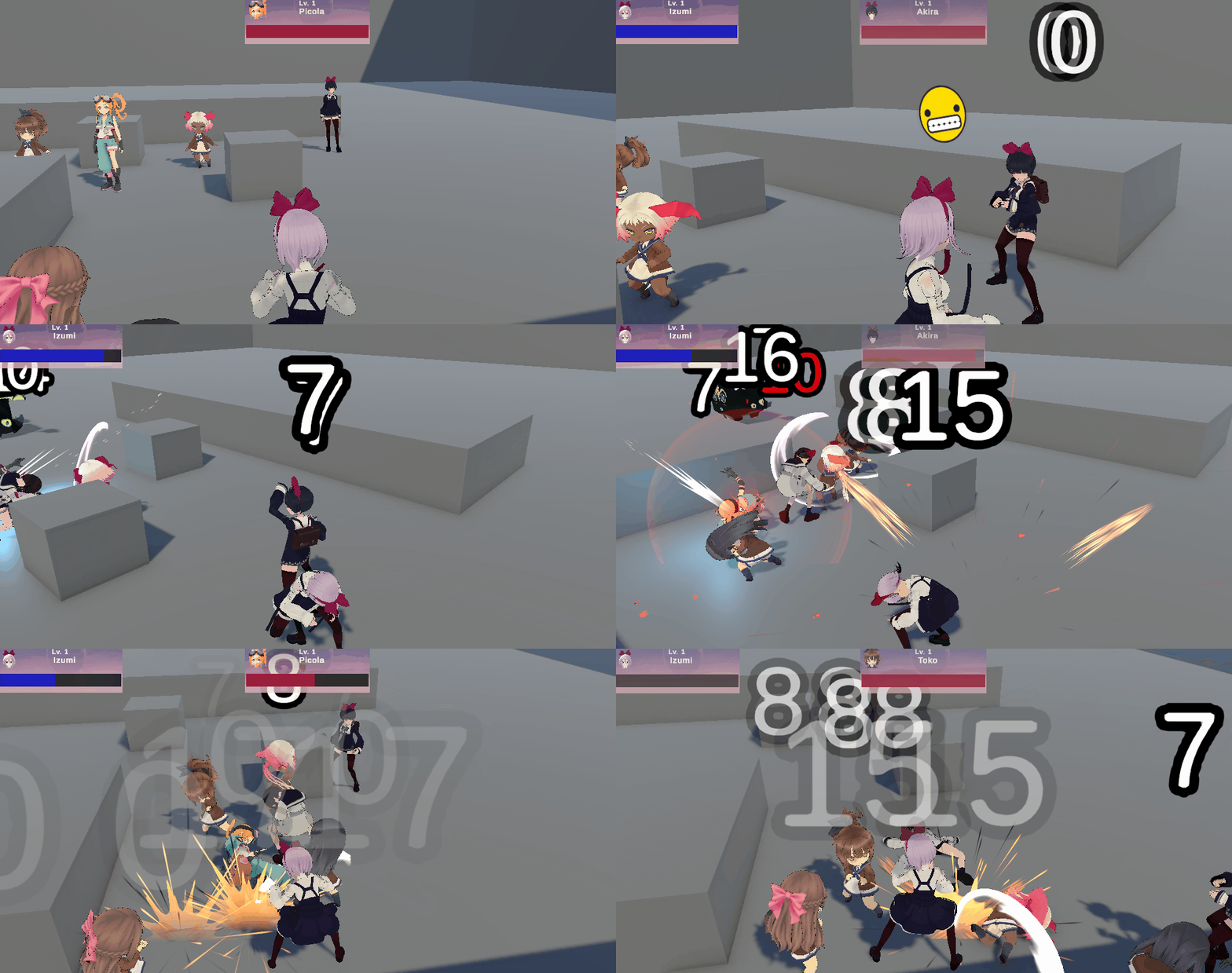
(Player attacks → stagger → recovery → idle → AI attack)
Problem
As the project grew, character behavior expanded across multiple systems: combat, dialogue, emotes, interactions, and AI decision-making.
Relying on animation events and tightly coupled logic became difficult to manage.
This led to inconsistent behavior, especially when precise timing, frequent state changes, or full reinitialization were required.
I needed a system that allowed clean state transitions without desync, animation-driven bugs, or hidden side effects.
Solution
A custom FSM architecture was implemented where states are self-contained, explicitly entered and exited, and evaluated through clear transition conditions.
Each state:
- owns its own setup and teardown logic
- evaluates transition conditions each update
- can safely reinitialize without relying on previous runtime context
Branching is handled through condition checks rather than animation events, which enables transitions such as:
- attack → combo
- attack → recovery
- hit → stagger → recovery
This removes hidden dependencies and makes state changes predictable and debuggable.
Result
- Characters can be reinitialized at any point without breaking behavior
- Combat, dialogue, and emotes coexist without state conflicts
- AI and player characters share the same FSM foundation
- The system scales cleanly as new states are added
Behavior remains stable even during heavy refactoring and scene transitions.
CHARACTER ARCHITECTURE
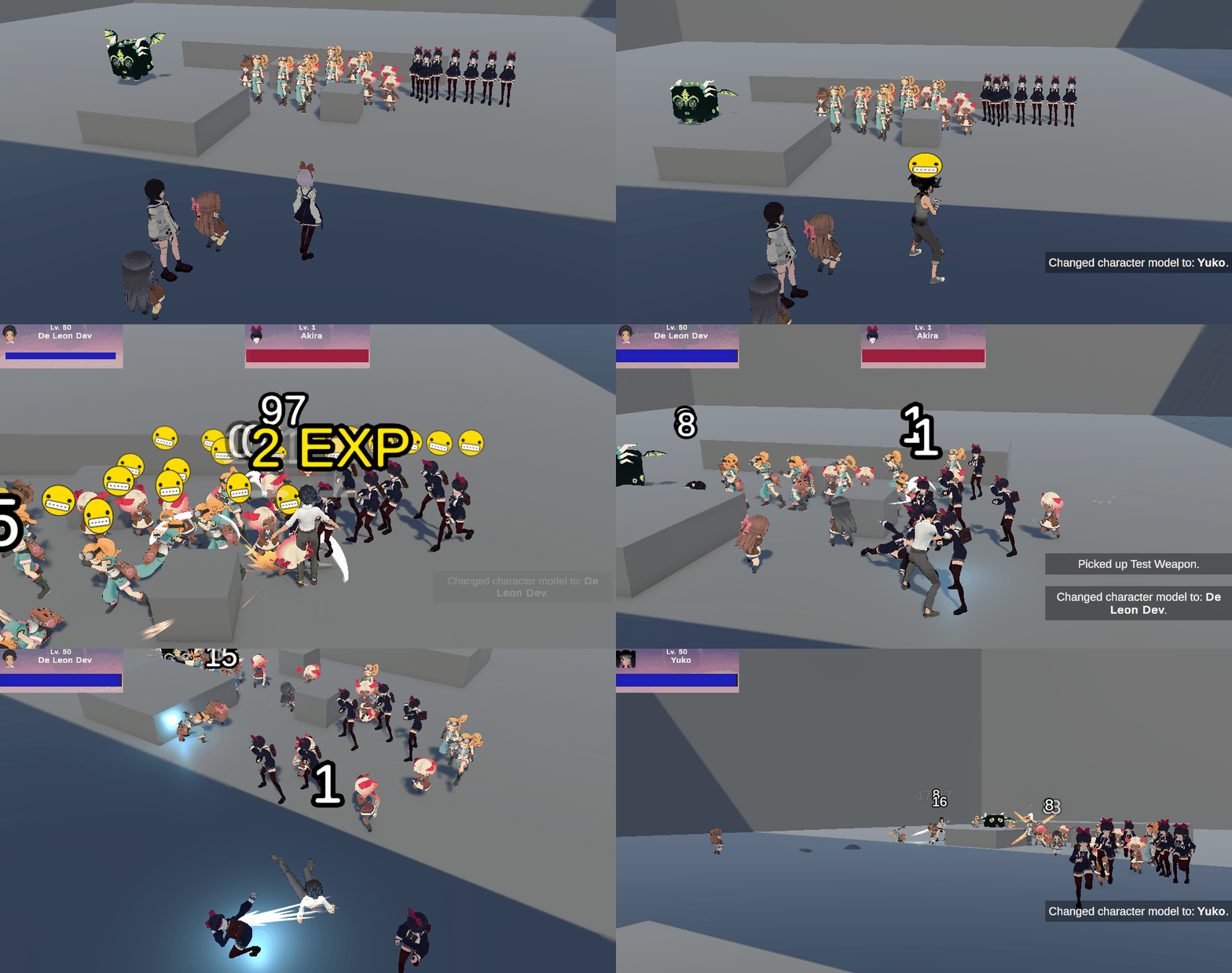
A unified character initialization system that guarantees correct setup order and eliminates dependency-related runtime issues.
Designed to support modular systems and runtime character swapping without breaking behavior.
Problem
The project required a way to centralize character logic while ensuring components initialize in the correct order and character models can be hot-swapped without breaking behavior.
Solution
A unified character architecture was implemented that:
- Manages the setup and initialization process for characters
- Ensures a consistent and correct component load order, allowing systems such as FSM, combat, emotes to function immediately after initialization
- Invokes a ready event once all components are loaded and initialized
- Supports character model hot-swapping without breaking existing behavior
Result
- The unified character architecture enabled predictable and stable behavior across all character models
- Components are consistently loaded in the correct order, preventing runtime errors and reducing debugging time
- Systems dependent on character initialization, such as FSM, combat, and emotes, function reliably immediately after setup
- Character models can be hot-swapped seamlessly during runtime, improving flexibility for content iteration and testing
- Initialization and reinitialization processes are fully observable through the ready event, allowing other systems to safely respond once a character is prepared
POOLING ARCHITECTURE
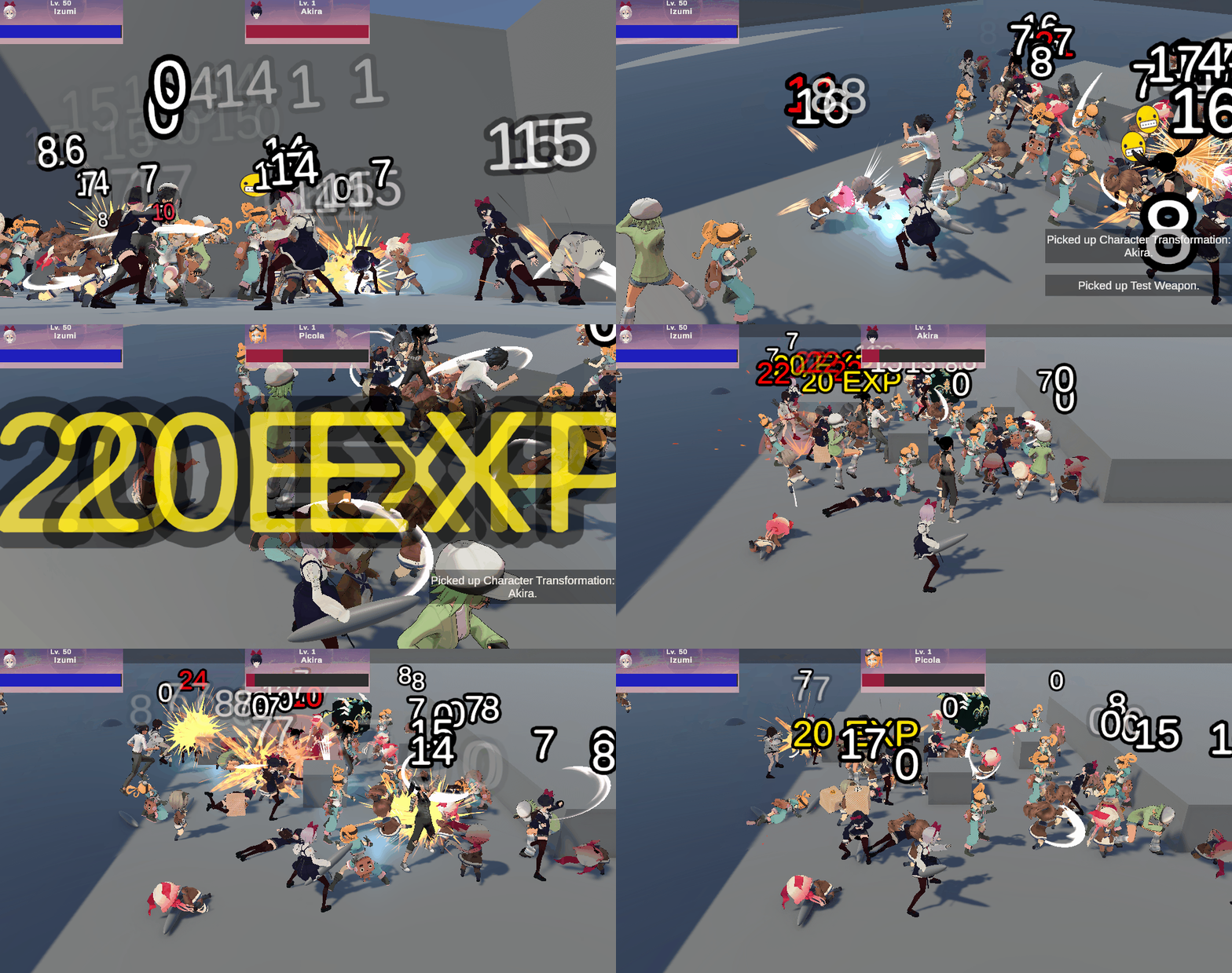
A custom pooling system built to eliminate runtime allocations and stabilize performance during high-frequency object usage.
Designed for combat-heavy scenarios with large numbers of spawned objects.
Problem
Frequent instantiation of objects (characters, VFX, SFX) led to memory spikes, increased CPU usage, and performance degradation over time, especially during combat scenarios with high spawn rates.
Solution
A custom pooling architecture was implemented with explicit lifecycle ownership and scene-aware management.
The system:
- Centralizes object pooling per type
- Eliminates runtime allocations during gameplay through reuse
- Assigns clear ownership and lifecycle to each pooled object
Each object can be:
- Reused safely within its context
- Disposed when its owning context is unloaded
The pool tracks both scene-bound and persistent objects, ensuring correct behavior across scene transitions and long-lived systems.
Result
- Removed runtime allocation spikes during combat-heavy scenarios
- Stabilized memory usage across repeated scene loads
- Ensured deterministic lifecycles for pooled gameplay, VFX, and SFX objects
- Simplified and standardized reuse of transient objects across the character system
What This Demonstrates
This project demonstrates my approach to building scalable, maintainable, and performance-focused gameplay systems.
Through this framework, I focused on solving real production-level problems:
- Managing complex character behavior across multiple systems
- Ensuring reliable initialization and system coordination
- Maintaining performance under heavy runtime load
The result is a modular architecture that remains stable under iteration, easy to extend, and suitable for both player and AI-driven characters.